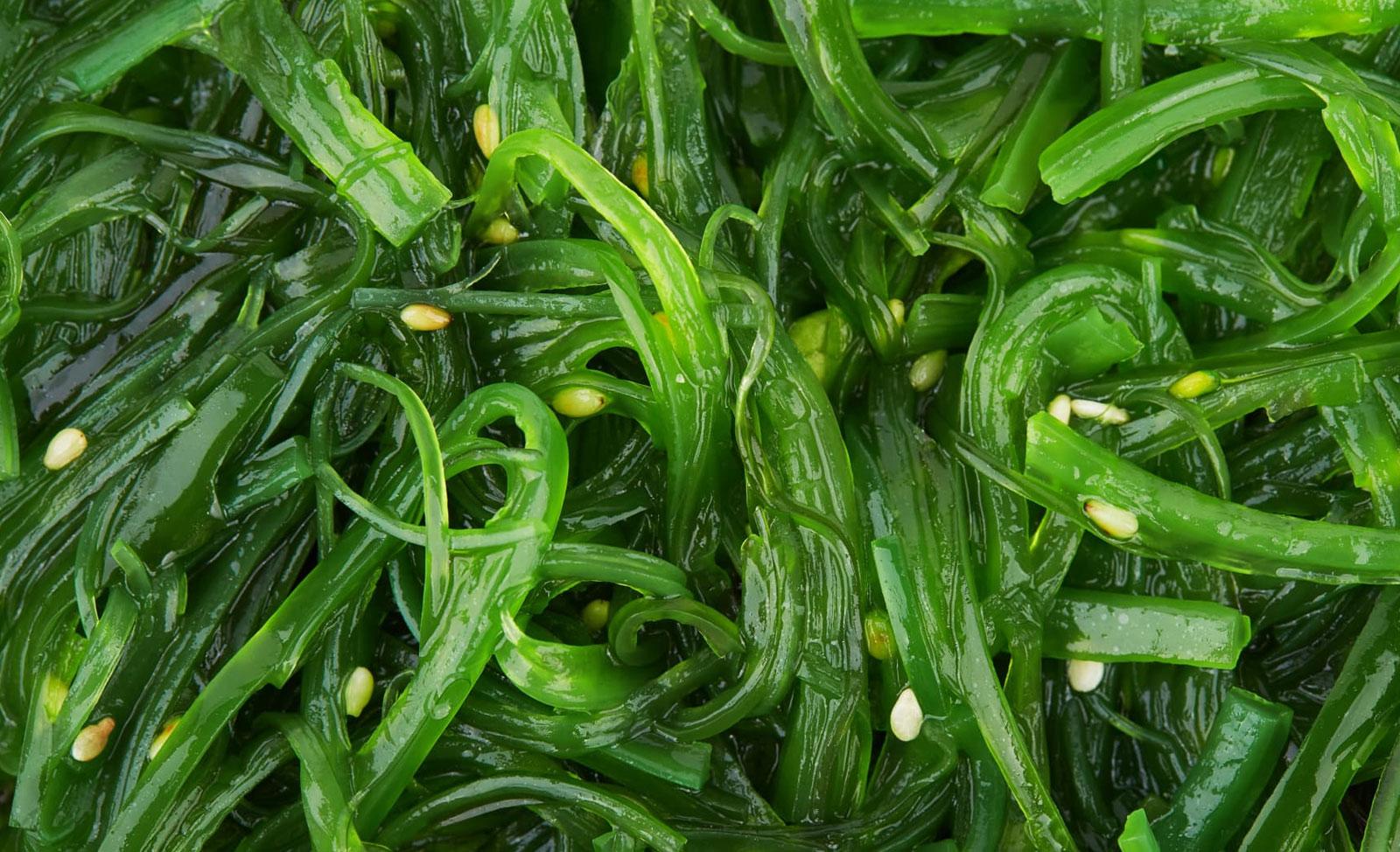
Sea kale and its benefits
Sea kale is a small shrub of brown kelp algae that grows well in very salty water at a depth of 4-10 meters off the coast of seas and oceans. Several types of kelp are of commercial importance: saccharina, digitalata, and japonica. The absolute leader in kelp production is Japan. Sea kale is supplied to retail trade in dried or frozen form, as well as canned food. The taste of real kelp is both salty and bitter. Iodine gives the seaweed its bitterness, and seawater gives it its salty taste.
Sea kale today occupies one of the main places in the ranking of healthy products. And it’s very popular with those who are serious about keeping their bodies in top condition, including celebrities and athletes. Historically, sea kale was used by the Greeks and has been widely cultivated since the 16th century. And nutritionists have already unanimously recognized the undoubted benefits of seaweed for humans. Their recommendation is 300 grams of product per week. This amount is enough to saturate the body with iodine, which kelp is especially rich in.
Benefits of seaweed
The health benefits of seaweed include its ability to improve digestion, increase urinary frequency, and boost immunity, among others.
Sea kale has been found to have very high levels of vitamin C (ascorbic acid), which is one of the essential vitamins that can stimulate the immune system to increase the production of white blood cells.
Sea kale (brown algae kelp) occupies the top position in the ranking of foods high in iodine. 100 g of dry product can provide from 2 to 10 daily intakes of this microelement for an adult. This can keep the body running smoothly and keep all hormonal processes in balance. It also helps speed up your metabolism, which helps you avoid excess weight, fatigue and organ system failures.
Seaweed has a very high level of carbohydrates compared to potatoes, which means it can help you gain weight quickly, especially after excessive exercise, illness, or recovery from injury or surgery.
Thus, the benefits of seaweed for the body can hardly be overestimated, because in its composition, in addition to iodine, there is a huge amount of other valuable microelements. A complete set of vitamins, alginates and dietary fiber. They are well absorbed by the digestive system because they are in an easily digestible form.
How to eat seaweed?
Sea kale sprouts are widely used in cooking in the same way as asparagus, and can also be eaten raw with a light vinaigrette. Or you can bake it and eat it as a side dish.
Sea kale from the Russian Fish Company always means high quality and fast delivery times!